









Entertainment
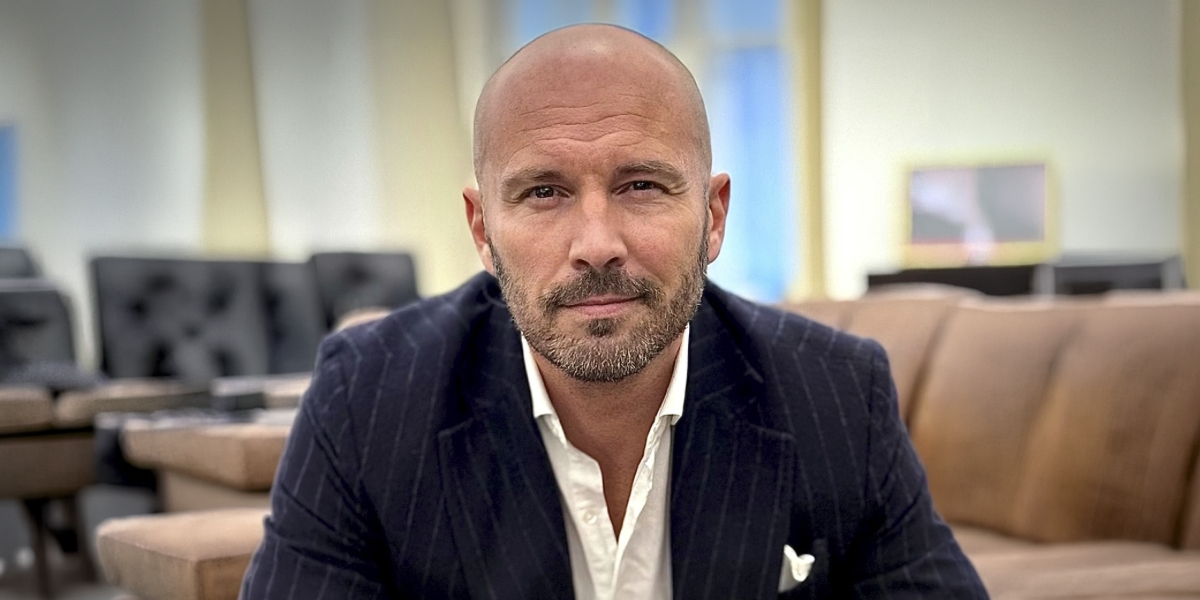
Dennis Dewall Is the Guy Who Actually Hung Off a Moving Train

The first thing Dennis Dewall mentions when asked who he is when nobody’s watching isn’t the films or the production company or the espionage expert he’s spent the last few years working alongside. It’s his daughter Amelie, and then, almost in the same breath, the golden retriever she named after the Harry Potter house elf. Dobby is three years old, full of character, and has a documented talent for stealing socks. “Honestly, the name fits him perfectly,” Dewall says, and you can hear the smile in it.
It’s the kind of household detail that takes a second to compute when you’re talking to someone who produces international spy thrillers and does his own stunts on moving trains across Europe. But Dewall is genuinely, unhurriedly happy to stay in that conversation. Home, he says, is where he recharges. Not as a talking point, not as a balance-of-life platitude. He means the specific texture of it: a good movie on in the background, a real conversation that goes somewhere, his daughter nearby, Dobby conducting his usual sock-based operations in the background. “Those small, normal moments are what keep me balanced in a very intense industry,” he says.
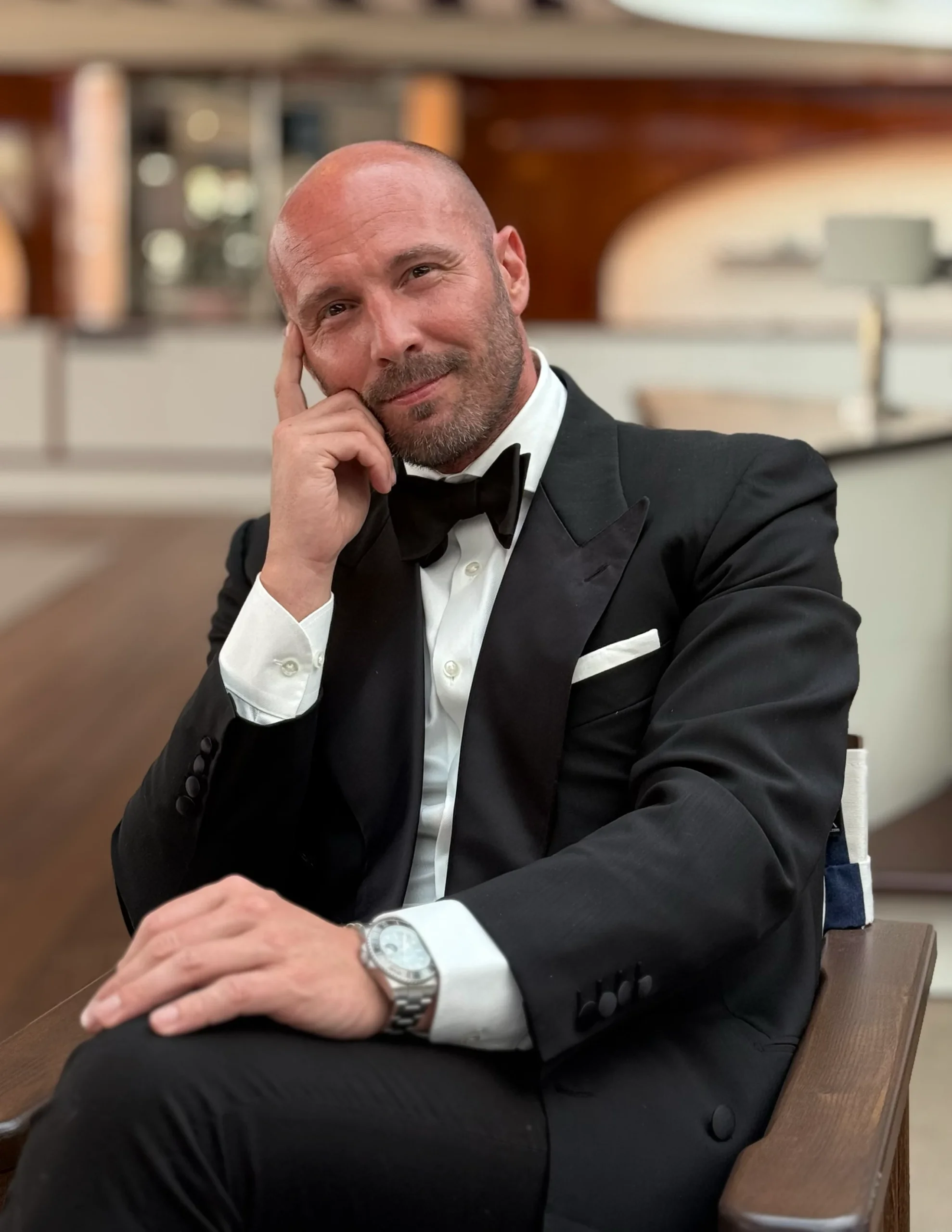
There’s something revealing about how he describes that life. He doesn’t reach for anything aspirational or curated. He’s not describing a wellness routine or a retreat. He’s describing an evening at home that could belong to anyone, except that it clearly belongs to him in a way he’s protective of. A lot of people in his position would’ve pivoted to the next project by now. Dewall seems to understand that the work gets better when there’s something real on the other side of it. The daughter, the dog, the movies watched for pleasure rather than research. It’s not an image he’s managing. It’s just where he lives.
He’s sitting somewhere in the overlap between actor, producer, and studio head, which is a crowded corner of the film world, and most of the people who occupy it will tell you they got there by choice. Dewall’s version is more honest. “The industry naturally pushed me into wearing multiple hats,” he says, “because I realized that if you want to tell certain kinds of stories properly, you sometimes have to take responsibility for them yourself.” What he’s describing is less about creative control and more about creative accountability. There’s a difference, and he understands it.
His company, Westside Studios, has been quietly building something in the espionage and action-thriller space that doesn’t look like most of what independent production companies are putting out. The first two Spy Capital films, streaming on Prime Video now, were shot during COVID when every other production had shut down entirely. Dewall talks about that period with obvious energy. “Because so many productions were paused, the people we needed were actually available,” he says. He found a way to keep moving when everything else had stopped. That’s the kind of pragmatism most productions can’t manage, which is probably why it worked.
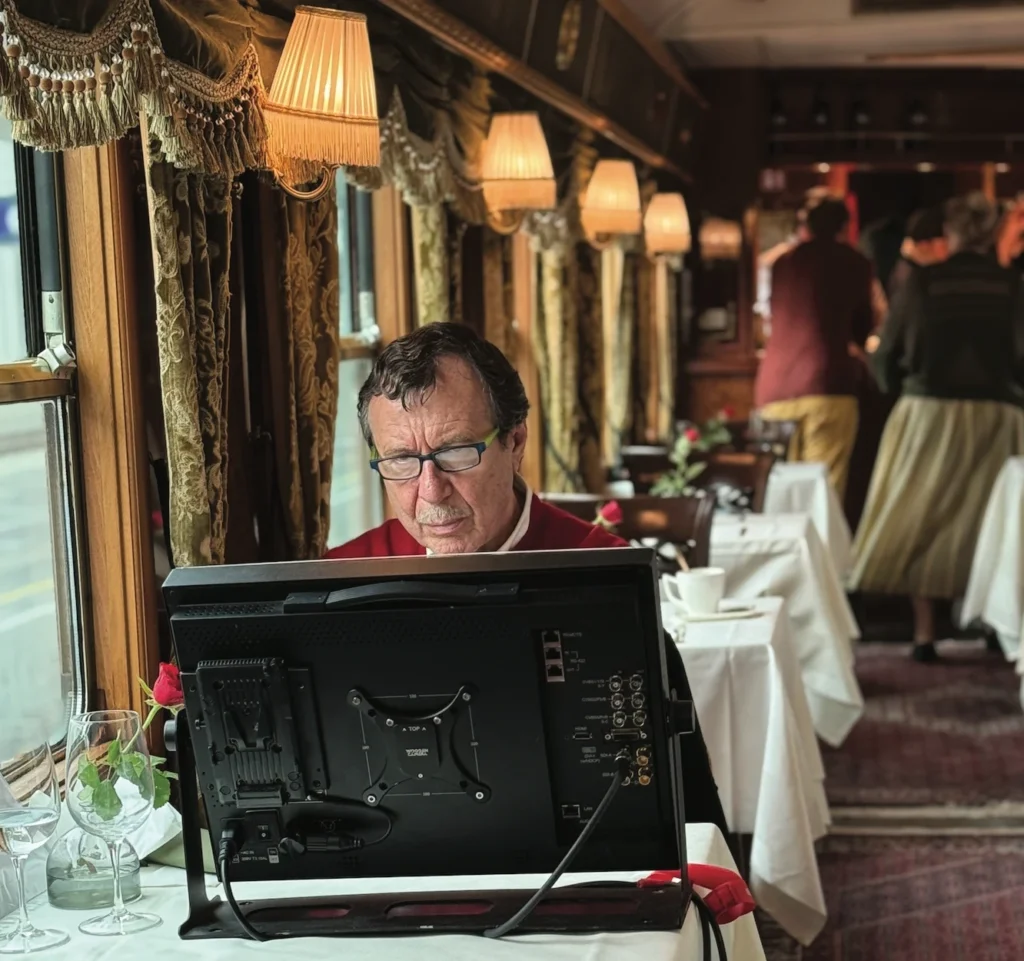
What came out of that period also connected him with Boris Volodarsky, who is not a filmmaker who Googled “how spies work” before his first shoot. Volodarsky wrote The KGB’s Poison Factory, Stalin’s Agent, Assassins, and The Murder of Alexander Litvinenko. He’s been inside the actual architecture of intelligence operations in a way that changes how you approach every scene. “His knowledge is not theoretical,” Dewall says. “It forces you to approach scenes with more respect for reality.” The Spy Capital films carry that influence. They move like actual espionage. Deliberate, specific, unbothered with the shortcuts Hollywood usually reaches for.
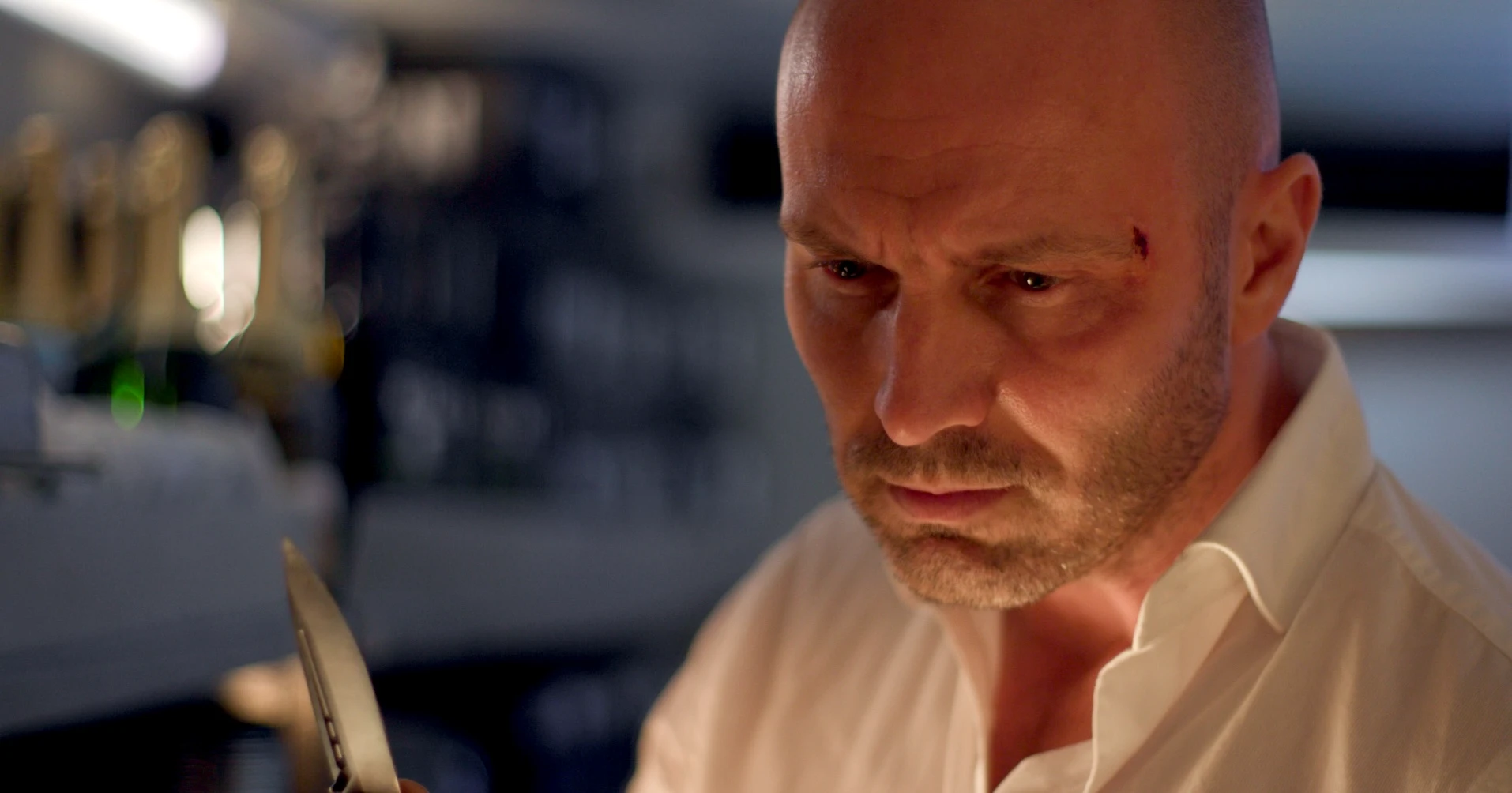
THE TRAIN is where that foundation gets tested at a larger scale. The film follows Major Alex Stirling, a former SAS operative traveling with his teenage daughter on the Majestic Imperator, a luxury train making its final run from Vienna to Prague. Dewall plays Stirling, which means he’s also the person who, at some point during production, made the decision to actually hang off a moving train. Asked about that, he doesn’t immediately reassure you it was fine. “I’d be lying if I said there wasn’t at least one moment where I thought that,” he admits, meaning the moment where he questioned his own judgment. But the preparation was real, the stunt team from Stunt.hu was exceptional, and his reasoning is consistent with how he approaches everything else: “When you commit to a project, you owe it your full presence.”
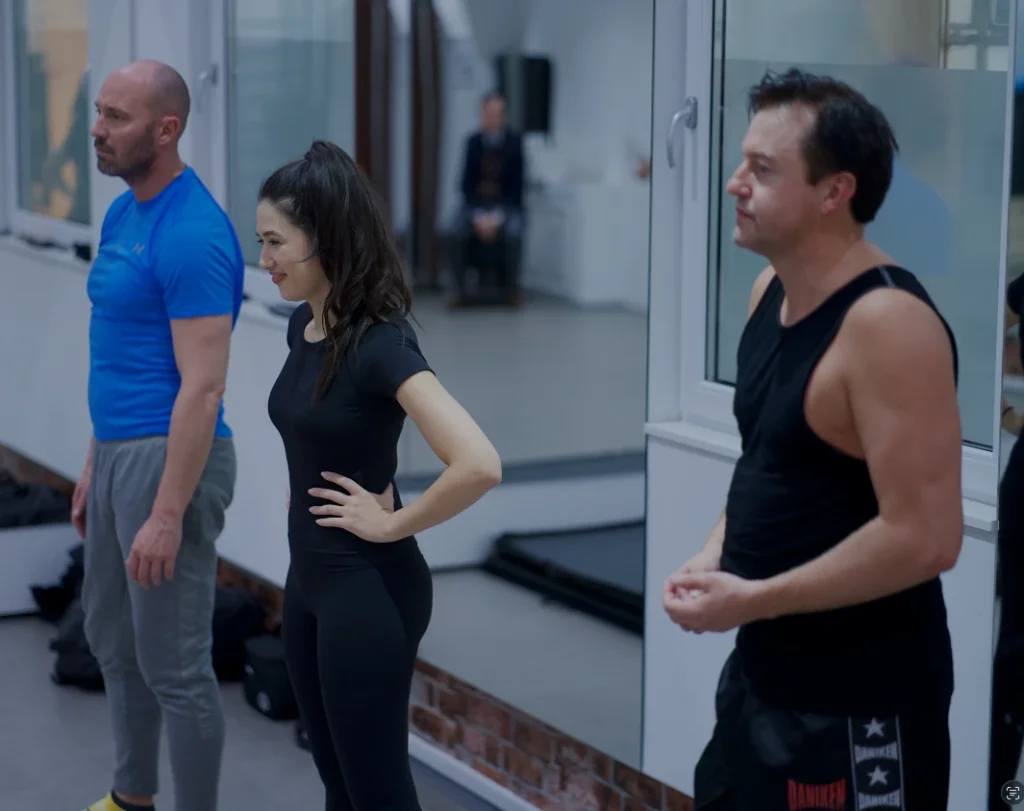
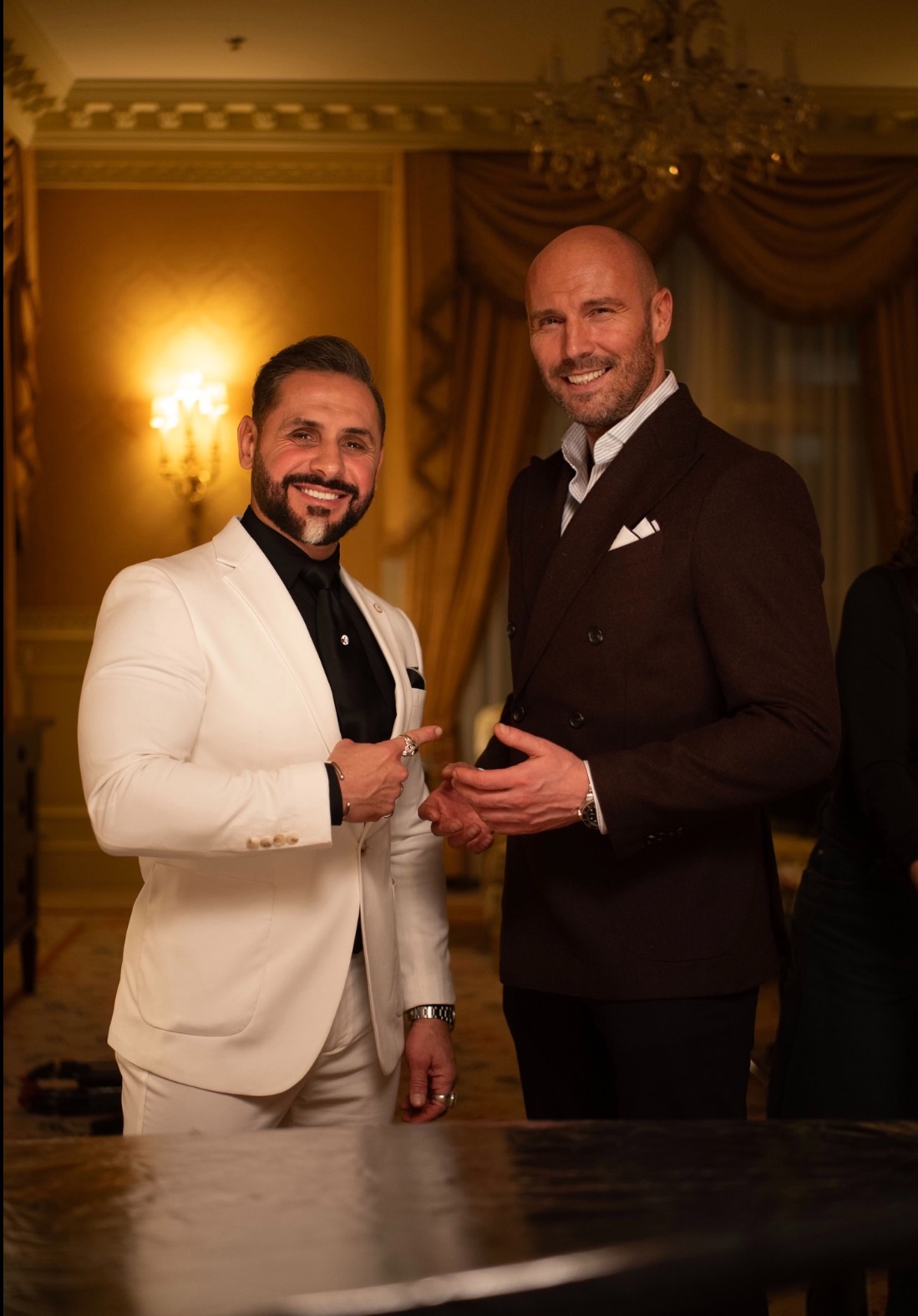
The fight choreography, built by martial arts expert Ali Kabalan from Wing Chun and Wushu, has that same logic underneath it. Real training, real preparation, sequences that prioritize efficiency over spectacle. Dewall makes it sound less like a production decision and more like a moral position. “Audiences can feel the difference when movement is grounded in genuine training.”
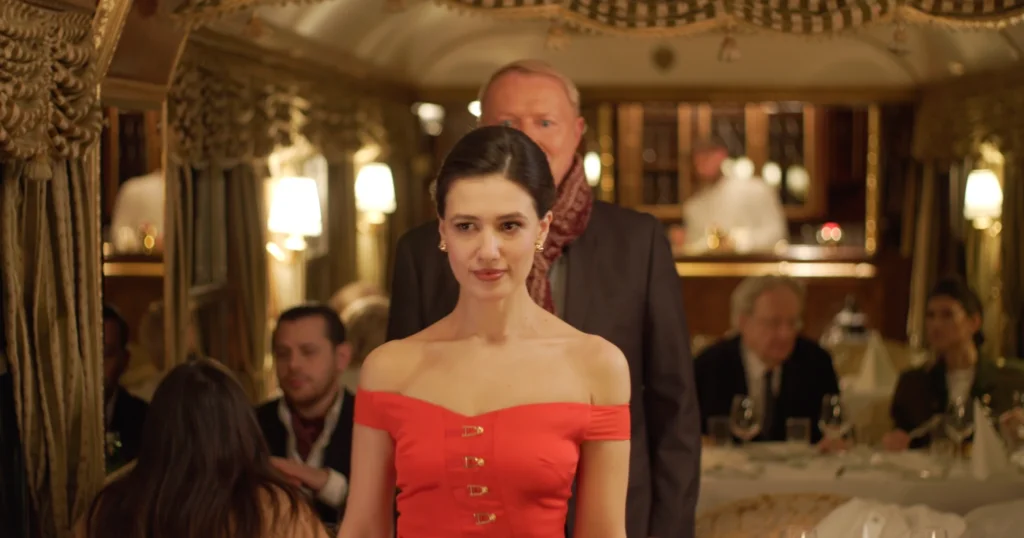
He talks about Madalina Bellariu Ion the way you talk about a colleague whose ability slightly caught you off guard. Ion plays Natalie Krug, an agent whose character on paper risks the femme fatale cliché, but Dewall is clear that what landed on screen is something different. “A good actor doesn’t just follow a blueprint, they add layers,” he says. “Through her performance, the character evolved into something more human and less stereotypical.” Ion, who’s appeared opposite Jude Law in The Young Pope and Scott Adkins in Take Cover, brings quiet intensity to a role that could’ve easily become decorative. She doesn’t announce her danger. She just creates it. Dewall credits her directly for that.
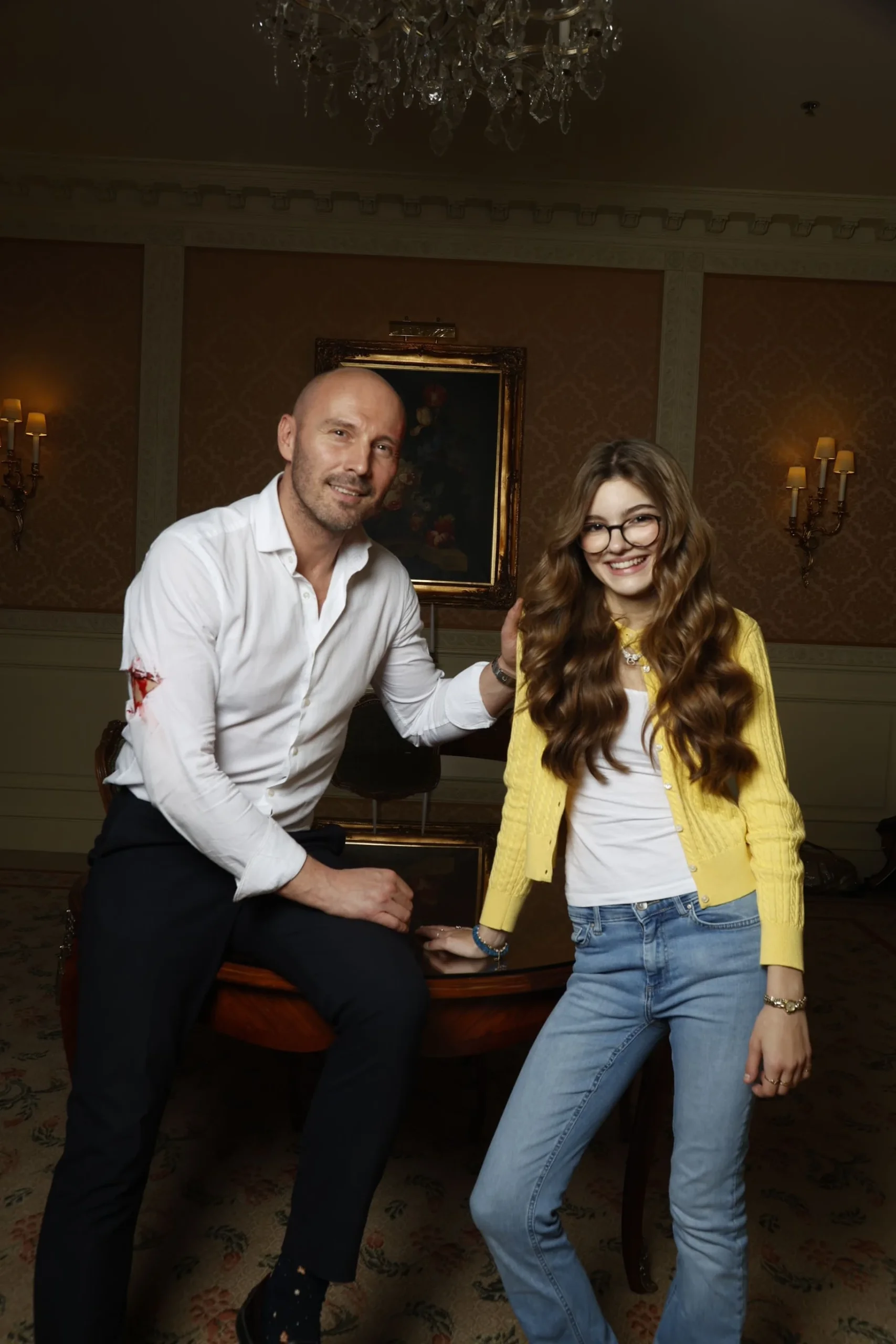
The other performance he returns to is Anouk Auer, who is 16 and plays Stirling’s daughter Olivia. “What impressed me most was her focus and professionalism at such a young age,” he says. He describes her as performing the truth, not performing the performance, which sounds like a distinction that only matters until you’ve worked with someone who can’t do it. When it’s working on screen, you feel it in how every threat on that train lands differently. Stirling isn’t just trying to survive. He’s trying to survive while making sure she does too, which is a more interesting problem.
THE TRAIN shot across six cities: Vienna, London, Malta, Bangkok, Budapest, and Prague. Dewall describes the logistics with the weary fluency of someone who’s already lived through it. “Shooting in multiple countries, coordinating international teams, and aligning creative visions is never simple.” The film screens at Cannes during the Marché du Film on May 16, ahead of theatrical premieres in Berlin, Vienna, and London in September 2026. He’s already nervous. “It’s always hard to watch myself on screen and many people don’t see possible mistakes but I do and it burns my eyes,” he says, with a candor that sits somewhere between self-deprecation and genuine anxiety. He adds they still have time to correct things after Cannes before the theatrical release. That’s how seriously he’s taking it.
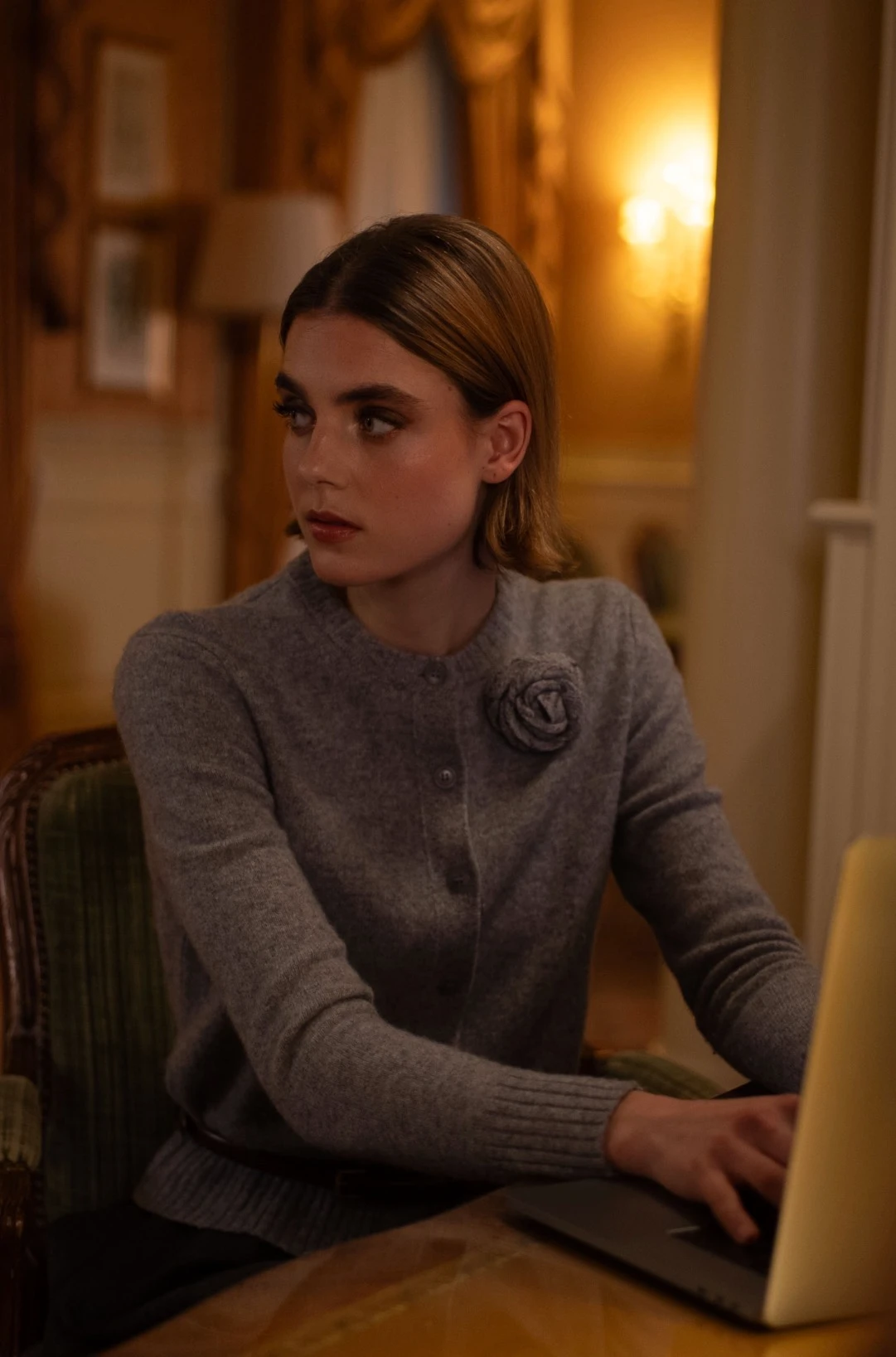
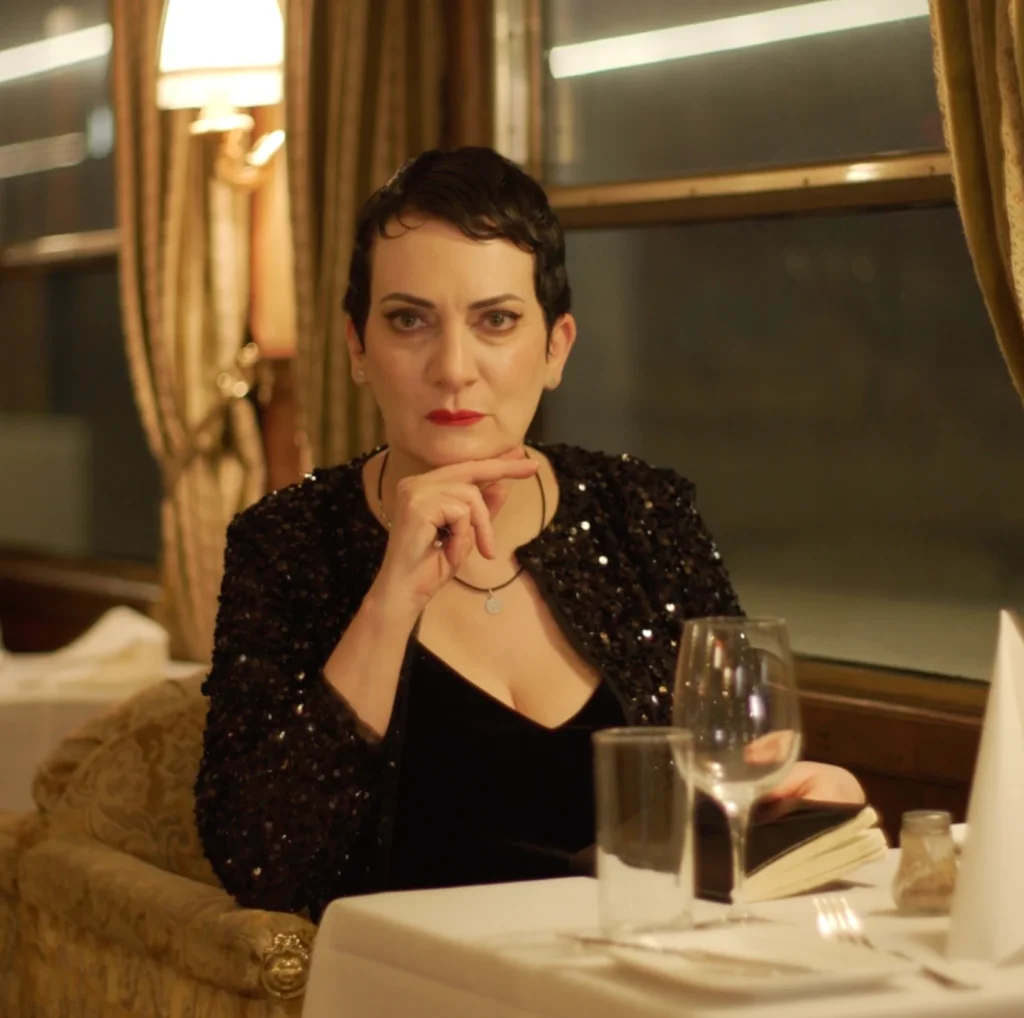
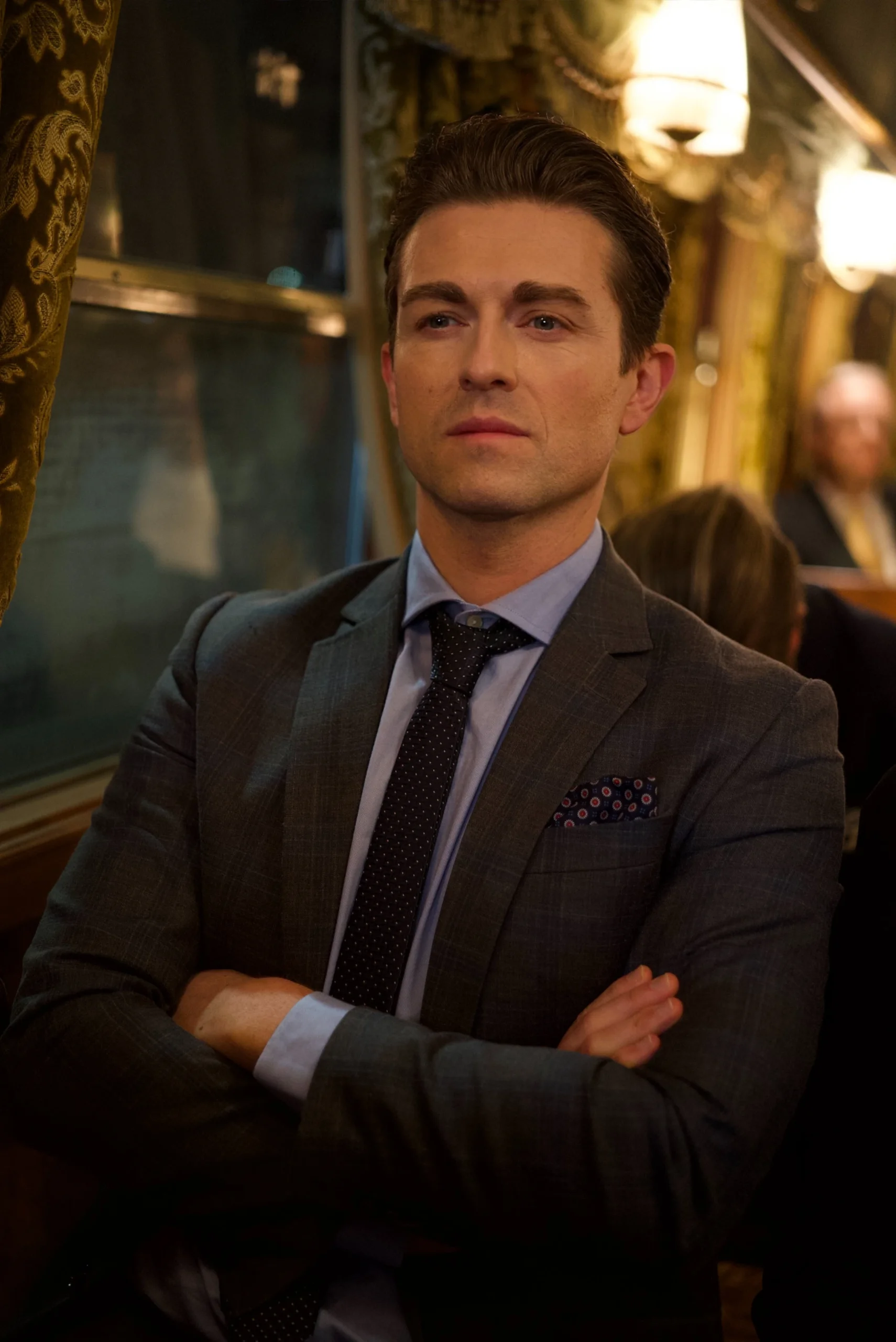
Westside Studios isn’t trying to out-produce the majors. That’s not the goal and Dewall knows better than to frame it that way. “If we can make one good picture in a year or even two, we’re very proud about this.” In a business where volume often substitutes for quality, that’s an actual position to take. The ensemble assembled for THE TRAIN, which includes profiler Suzanne Grieger-Langer playing herself by another name, Alan Burgon as MI6’s Eric Jones, Peter Ormond as an auctioneer with unsettling authority, Leonie Bielesz as Jill Telfer, and Polina Kuleshova as Julia Goldberg, reflects that commitment to specificity over spectacle.
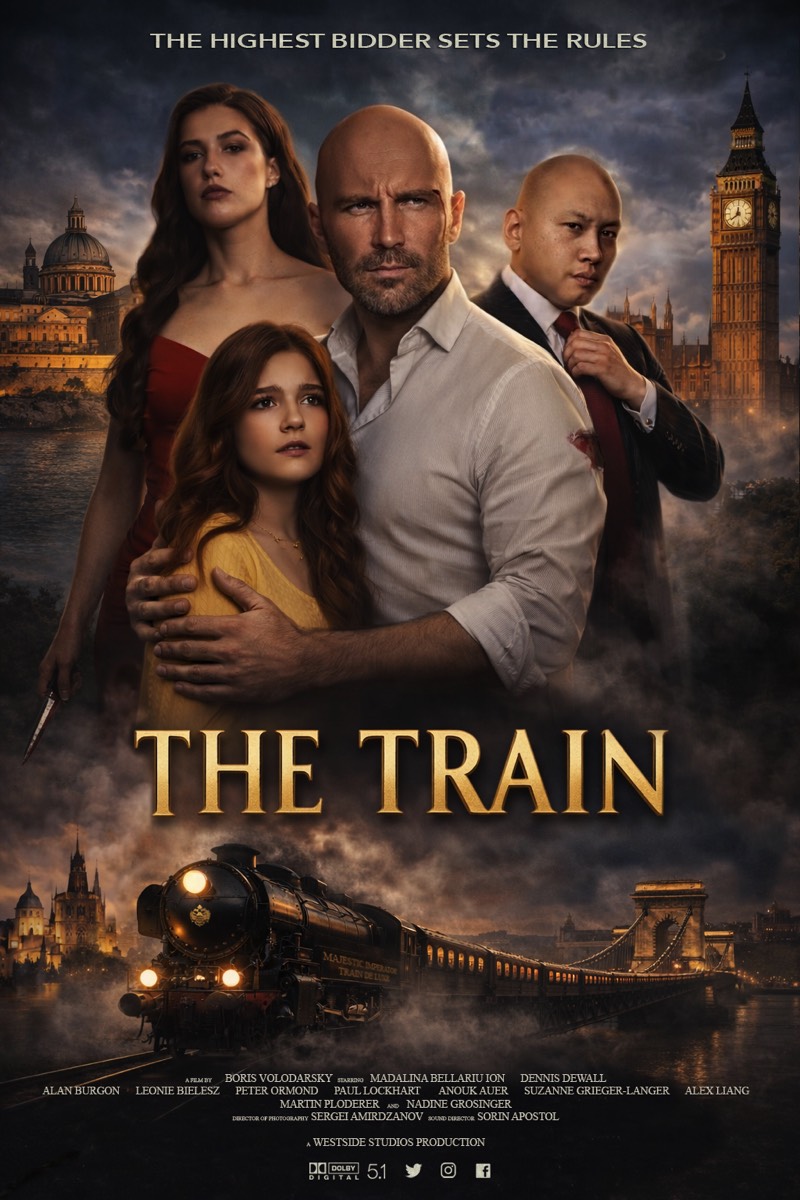
The poster, which Dennis Dewall was closely involved with, maps four cities in its corners: Malta top left, London top right, Prague bottom left, Budapest bottom right. “I see it as an important part of the storytelling process,” he says. The first frame before the first frame.
In five years, he wants Westside Studios to be a name people trust. “If people trust our name and know that our projects are handled with professionalism and heart, then we’re on the right path,” he says. “There are no shortcuts.” It sounds simple. It’s not, which is probably why most people in his position don’t actually say it.
The question of what he wants audiences to feel doesn’t seem to require much thought. He doesn’t reach for superlatives. “I’d like them to walk away feeling that the film respected their intelligence and their time,” he says. “If they think, ‘This was made with care, professionalism, and heart,’ then I’ve done my job.” For someone who spends his days coordinating international productions, managing casts across six countries, and occasionally hanging off moving trains, it’s a grounded thing to want. But then, that’s the whole point.