








Entertainment
Digital Dreams is Treating Virality Like a Science, Not a Gamble

Most labels still operate like it’s 2015, throwing money at billboards and radio spins while the internet decides what actually goes viral. Digital Dreams isn’t interested in that playbook. The London and Berlin-based independent label launched in 2024 with a different approach: use data to spot songs on the verge of breaking before anyone else notices them, then push them over the edge.
It’s working. Since 2023, Digital Dreams has racked up over 100 million streams and placed more than 10 tracks on Spotify’s Viral 50 charts across different countries. That’s not luck. That’s what happens when you treat music promotion like pattern recognition instead of guesswork.
The whole thing started as an experiment in tracking early momentum. Digital Dreams built tools to analyze which songs were starting to gain traction in corners of the internet most labels weren’t watching. Within months, they had multiple tracks charting. What began as a small operation between data analysis and gut instinct grew into a full label that scouts music from everywhere, not just artists with existing hype, but tracks showing real momentum.
Their roster reflects that approach. Artists like Kelvyn Colt with “Mow Em Down,” Maktivity’s “Stupid Love” & “Diamonds,” and Sweet Ciara’s “run for the hills” sit alongside releases from Emilie Charlotte, blaze, and JSH. The genres vary, but there’s a common thread: songs built for the algorithm that don’t feel disposable. It’s music designed to catch fire on TikTok but still hold up on repeat listens.
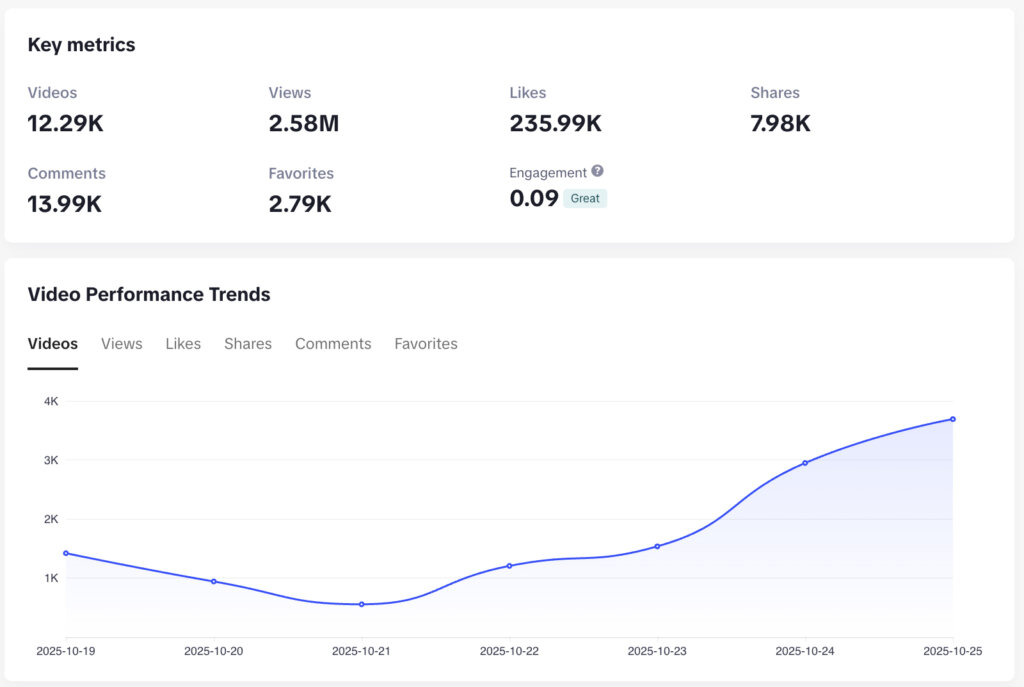
Here’s what makes Digital Dreams different from typical indie labels. They’re not just releasing music and hoping it finds an audience. They’re actively engineering visibility through TikTok strategies, playlist placements, and creator collaborations. It’s part tech startup, part traditional A&R, but without the bloat of major label bureaucracy. They can move faster, test ideas quicker, and pivot when something isn’t working.
The company draws inspiration less from specific artists and more from movements. Early SoundCloud culture, the YouTube remix era, DIY producers who can make a track blow up overnight. They study how those moments spread and apply that knowledge to release strategies. It’s the same reason they’re developing technology to predict a song’s viral potential before it happens.
Right now, Digital Dreams is running multiple viral campaigns simultaneously while expanding their playlist network across different niches. They’re also building partnerships with creators and micro-labels worldwide, trying to make the music ecosystem faster and fairer. The goal isn’t to be the biggest label. It’s to prove that independent teams with the right tools can compete with major labels that have infinitely bigger budgets.
There’s something here that feels like where the industry’s headed. Traditional labels are still figuring out how to make TikTok work for them. Digital Dreams was built for this environment from day one. They’re not trying to adapt old systems to new platforms. They’re creating new systems that treat streaming algorithms and social media virality as foundational, not afterthoughts.
Whether that approach scales remains to be seen, but the early results are hard to ignore. Over 100 million streams in less than two years isn’t typical for an independent operation. Neither is consistently hitting viral charts across multiple markets. Digital Dreams is betting that the future belongs to labels that understand code as well as they understand culture, and so far, the data’s backing them up.
You can check out more at their website or follow them on Instagram.