








Culture
Why a Conversation About Black Bisexual Visibility Just Won an International Communicator Award

“There’s no manual for being a bisexual Black man.”
Rapper and artist Isaiah Rashad’s recent reflection on Power 105.1’s The Breakfast Club captured something many Bi+ people already know: despite broader LGBTQ visibility efforts and conversations, bi-specific representation remains largely underrepresented from media, culture, and public discourse.
The gaps are material: in media representation, in the platforms telling these stories, and in healthcare systems that subsequently fail to center Bi+ health. Research consistently shows Bi+ communities experience disproportionately high rates of mental health struggles and interpersonal violence. Black and Latina Bi+/Queer women face the highest burden among these communities, while nearly all Bi+ people remain underrepresented in the narratives that shape how people understand them.
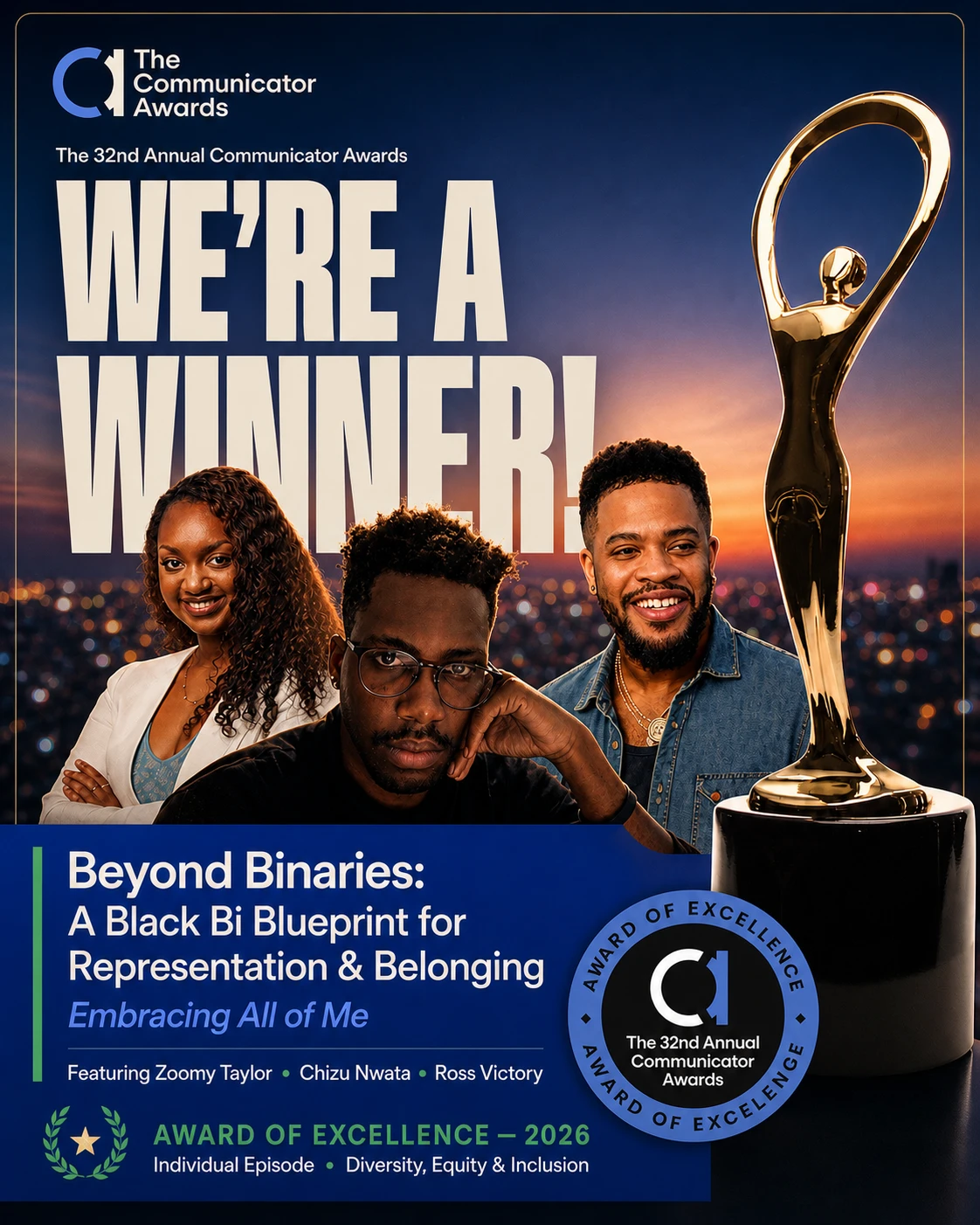
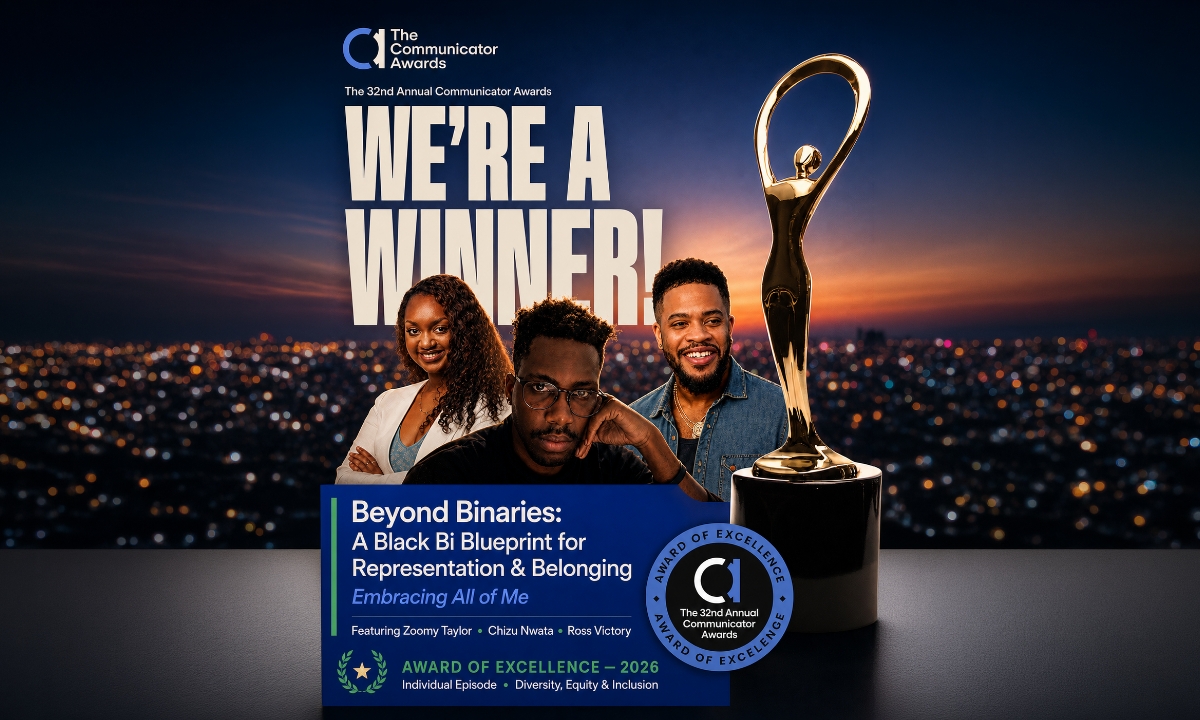
The now award-winning storytelling platform Embracing All of Me recently received a 2026 Communicator Award of Excellence in Diversity, Equity and Inclusion for “Beyond Binaries: A Black Bi Blueprint for Representation and Belonging,” an episode that fills that gap not through polished messaging, but through radical honesty.
The conversation features three Black bi+ people: Zoomy Taylor, Chizu Nwata, and host Ross Victory, who met at the Bisexual Research Conference and recorded what amounts to a kitchen-table catch-up. No performance. No production tricks. No agenda beyond people from different backgrounds with the same identities comparing notes on what it means to navigate social institutions, belonging, and the emotional realities of living “in-between” in the United States.
That framing and simplicity was the point. Among more than 3,000+ entries across podcasting, branded content, and digital storytelling categories, the Communicator Awards recognized this episode because it operates at multiple registers simultaneously, addressing social gaps, mental and physical health realities, and narrative absence through something as fundamental as: listening. The laughter, the meditative moments, the vulnerability: these weren’t production choices. They’re what happens when you let people actually “communicate” about their lives without the apparatus of representation work getting in the way.
For a majority-invisible demographic, that kind of honest testimony is, itself, the resistance. EAoM’s second 2026 award, for an audio documentary about Frances Thompson, a Black trans former slave in 1866, speaks to the platform’s broader commitment in engaging audiences in restorative, illuminative storytelling.
Listen to the full ‘Beyond Binaries’ episode on Apple Podcasts, explore more of Embracing All of Me‘s work, read Isaiah Rashad’s full Breakfast Club conversation, and see this year’s honorees at the Communicator Awards.