Ask most people what worries them about harbor pollution and they’ll probably mention climate change. Rising seas, warming oceans, the slow catastrophe happening on a planetary scale. All real, all important, all distant enough that it’s easy to file under “future problem.”
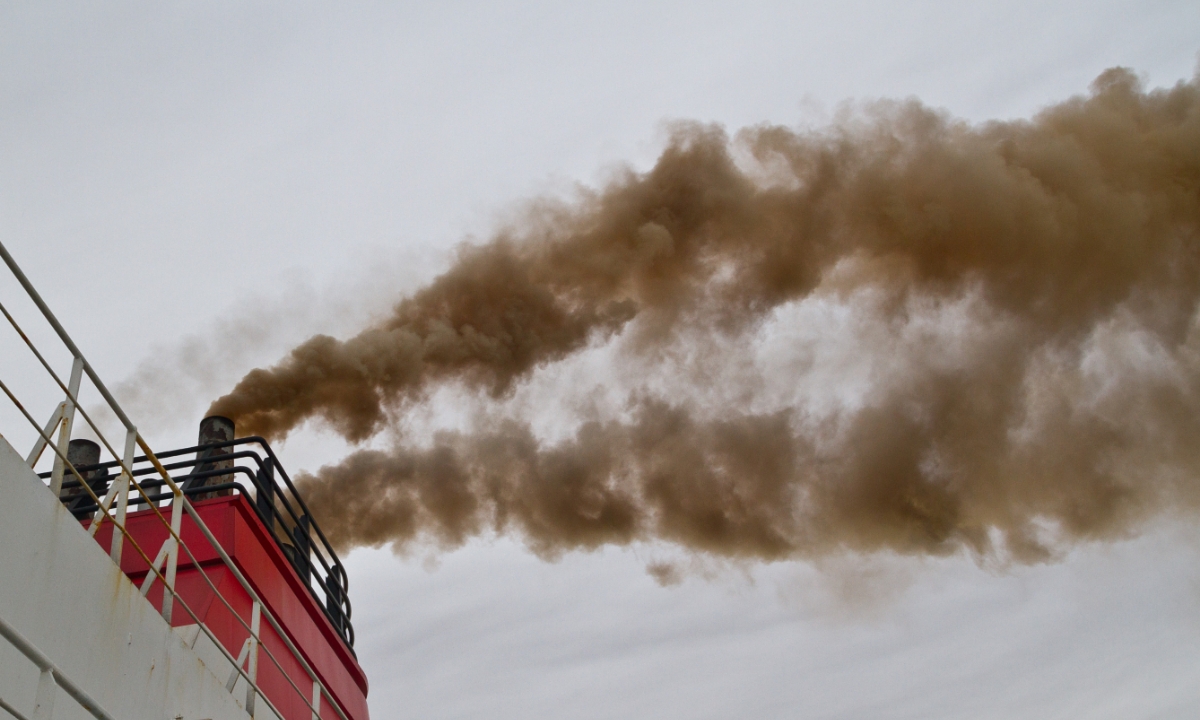
But here’s what’s happening right now, today, in the neighborhoods closest to America’s waterfronts: kids are developing asthma at rates that should alarm anyone paying attention. Adults are dealing with cardiovascular disease that tracks directly to the air they breathe. And the families affected are overwhelmingly low-income communities of who’ve been there for generations, breathing diesel exhaust from ferries and water taxis while everyone else drives past on their way to brunch.
The U.S. Environmental Protection Agency says marine vessels account for nearly 30 percent of total port emissions. That’s not abstract carbon floating into the atmosphere. That’s particulate matter, nitrogen oxides, and diesel exhaust pumping directly into residential neighborhoods every single day. You can see it in children’s lung development. You can track it in adult health outcomes.
Harbor Current Foundation Inc. wants to change that math. Not eventually, not when technology catches up or funding materializes or policy shifts. Now. The foundation’s CEO and founder, Maria Andrade, is asking for $10 million to put electric ferries and water taxis on the water in four major cities: Miami, Annapolis, Charleston, and Boston. The goal is simple: cut emissions by 25 to 40 percent in those specific locations within 18 months and prove that waterfront communities don’t have to keep breathing poison as the price of living near the water.
Andrade spent more than twenty years raising five children and working as a licensed real estate professional before founding Harbor Current. She knows harbor communities. She’s seen what the pollution does. “The time is now and the solutions are here to make the difference,” she says. She’s not theorizing. She’s deploying existing technology in a structured, measurable way that treats this as the public health crisis it actually is.
The invisible casualties live closest to the water. Walk through any port city neighborhood and you’ll find families who’ve been there for decades, watching ferries chug past their windows, breathing air that contains substances you wouldn’t want anywhere near a playground. Higher asthma rates among children aren’t speculation. Increased cardiovascular disease in adults isn’t a theory. It’s documented, it’s connected to diesel exhaust, and it’s mostly invisible to everyone who doesn’t live there.
This is where the conversation about harbor pollution usually gets stuck. Climate change feels too big, too systemic, too far beyond individual action. But air quality is immediate. The difference between a diesel ferry and an electric one is something you can measure in a single generation of kids growing up near the waterfront. That’s not saving the planet for your grandchildren. That’s protecting actual children breathing actual air today.
Harbor Current Foundation has a specific plan for that $10 million. With $2.5 million allocated per harbor, the funding covers vessel acquisition or retrofitting, charging infrastructure installation, feasibility studies tailored to each city’s setup, community education programs, and operational costs. They’re planning to install at least four harbor charging stations, host six educational events to bring communities and harbor authorities on board, and create what they’re calling a “Clean Harbor Replication Toolkit” so other cities can copy what works.
What makes this different from typical environmental initiatives is the refusal to treat public health as a secondary benefit. Electric vessels aren’t being positioned as a climate solution that happens to help people breathe better. They’re a direct intervention in a health crisis that’s been happening for decades while everyone focused on more abstract problems.
The four cities weren’t chosen randomly. Miami faces immediate climate pressure as a major international port. Annapolis offers a smaller, historic harbor where changes can happen faster. Charleston’s tourism economy means clean transportation could become a selling point. Boston already has established ferry systems ready to make the switch. Each city represents a different challenge, which is the point. If electric vessels work in all four environments, they’ll work almost anywhere.
But the real test is whether the results show up where it matters most. Measurable reduction in respiratory illness rates. Lower cardiovascular disease risk among adults in waterfront neighborhoods. Immediate air quality improvement that changes what families are breathing every day. That’s what success looks like, not corporate sustainability reports or emissions offset calculations.
Andrade brings a different perspective to this work. Her years guiding families through real estate transitions taught her how people navigate change, how communities adapt, and what it takes to move diverse groups toward shared goals. “Empathy is the greatest renewable resource we have,” she says. “It fuels collaboration, courage, and change.” She’s building consensus between engineers, policymakers, investors, and community leaders who actually know what these systems need.
The economics support the health argument. Electric vessels cost less to fuel and maintain. Harbor operators save money over time. Cities reduce healthcare costs from diesel-related illness. Jobs get created in manufacturing and infrastructure installation. It’s not charity. It’s a better business model that happens to make people healthier.
Harbor Current Foundation launched this year with a clear roadmap: 18 months to get pilot vessels in the water, two years to demonstrate the full model across four cities, then national replication. The $10 million budget is specific and detailed, with 74 percent going directly to vessels and infrastructure rather than overhead. In two years, the results will be measurable. Either electric vessels will be operating in Miami, Boston, Charleston, and Annapolis, or they won’t.
The larger vision extends beyond American harbors. Andrade’s mission is to electrify the waterways of the Americas by 2040, inspiring nations worldwide to join the movement. But the four U.S. cities aren’t about global ambition. They’re about proving that you can fix the immediate health crisis happening in waterfront neighborhoods right now, today, without waiting for some massive systemic shift.
For communities living next to harbors, diesel fumes have always been part of the deal. Something you get used to because what choice do you have. But maybe that’s the real story here. Not that climate change is happening or that technology exists to solve it, but that thousands of families have been breathing toxic air for decades while everyone else treated it as background noise. Harbor Current Foundation is saying the quiet part out loud: this has been a public health emergency the whole time. We just stopped noticing because it wasn’t happening to us.